Magnetometers are precision instruments used to measure
magnetic fields in scientific research, navigation systems, geophysical
surveys, and medical diagnostics. The performance of these systems depends
heavily on the stability and quality of the optical components used within
them. Among these components, the laser
source for magnetometer plays a critical role in determining
measurement accuracy, long-term stability, and signal clarity.
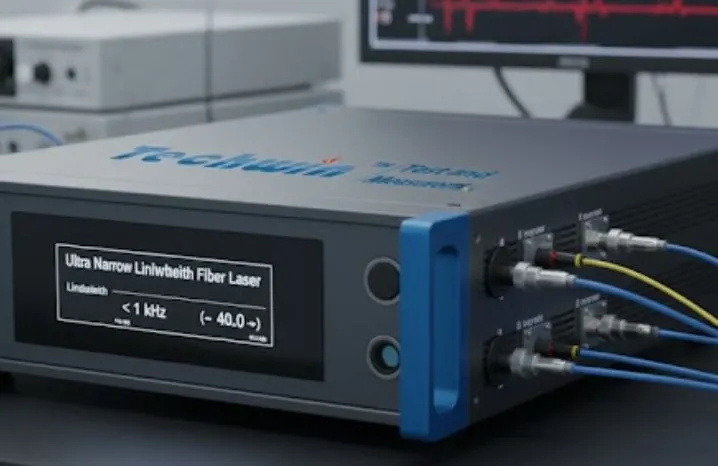
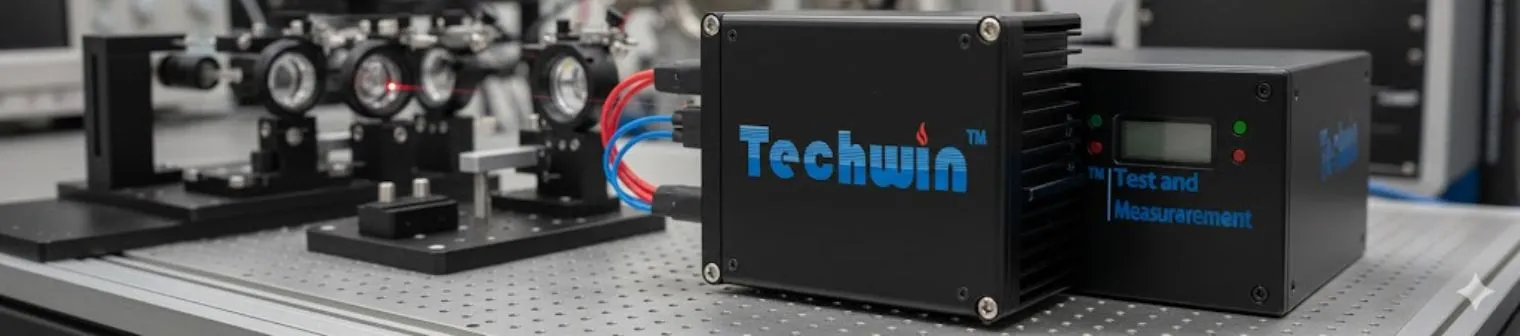
Fiber laser technology has become a preferred option for modern magnetometer designs due to its reliable output characteristics and compact structure. This article explains how fiber lasers contribute to improved magnetometer sensitivity and accuracy, while also outlining the technical requirements that matter most when selecting a laser source.
Understanding the Role of Lasers in Magnetometers
Many advanced magnetometers, such as optically pumped
magnetometers and atomic magnetometers, rely on laser light to interact with
atomic vapors. The laser excites atoms to specific energy states, and the
response of those atoms to external magnetic fields is then measured.
In such systems, even small fluctuations in laser frequency or intensity can affect results. That is why a stable and carefully engineered laser source for magnetometer applications is essential for maintaining reliable readings over extended operating periods.
Why Fiber Lasers Are Preferred in Magnetometer Systems
Fiber lasers offer structural and optical advantages that
align well with the needs of sensitive measurement instruments. Their design
allows for consistent beam quality and resistance to environmental
interference.
Key advantages include:
- Narrow
linewidth for precise atomic interaction
- Low
noise output supporting clean signal detection
- Compact
form factor suitable for laboratory and field use
- Long
operational life with minimal maintenance
- Resistance
to vibration and temperature variation
These characteristics make fiber lasers well suited for high-accuracy magnetometer systems used in demanding environments.
Importance of Frequency Stability in Magnetic Field Measurement
One of the most important requirements for magnetometer
laser sources is frequency control. Any frequency drift can introduce errors in
magnetic field interpretation.
A frequency-stabilized
laser maintains a consistent output wavelength over time, ensuring that
atomic resonance conditions remain unchanged during measurements. This
stability directly affects:
- Measurement
repeatability
- Signal-to-noise
ratio
- Long-term
calibration consistency
Without proper frequency stabilization, magnetometer readings can vary even under constant magnetic conditions, leading to unreliable data.
How Fiber Lasers Improve Magnetometer Sensitivity
Sensitivity in magnetometers refers to the ability to detect
very small changes in magnetic fields. Fiber lasers contribute to this
capability through controlled optical properties.
Fiber laser contributions to sensitivity:
- Stable
polarization improves atomic alignment
- Reduced
phase noise allows finer signal resolution
- Consistent
optical power avoids signal distortion
- Narrow
spectral width improves atomic excitation accuracy
By maintaining consistent interaction with atomic media, fiber lasers allow magnetometers to detect subtle magnetic variations that would otherwise be masked by optical noise.
Accuracy Gains Through Optical Consistency
Accuracy is not only about detecting small signals but also
about measuring them correctly. Fiber lasers help maintain accuracy by
minimizing variables that can interfere with measurement interpretation.
A well-designed laser source for magnetometer applications ensures that optical conditions remain constant across different operating cycles. This reduces recalibration frequency and improves trust in collected data.
Design Considerations for Magnetometer Fiber Lasers
When selecting a fiber laser for magnetometer integration,
several technical factors should be evaluated carefully.
Important selection parameters:
- Linewidth
suitable for atomic resonance
- Power
stability across operating duration
- Compatibility
with alkali metal vapor cells
- Environmental
tolerance for temperature and vibration
- Proven
frequency control mechanisms
Laser sources designed specifically for sensing applications are better suited than general-purpose lasers when accuracy and consistency are required.
Real-World Applications Benefiting from Fiber Laser Integration
Fiber lasers are used in a wide range of magnetometer-based
systems, including:
- Spaceborne
magnetic field instruments
- Medical
imaging and diagnostic equipment
- Mineral
and geological survey tools
- Defense
and navigation systems
- Laboratory-grade
atomic physics experiments
In each of these applications, the combination of frequency control and optical stability supports dependable magnetic field measurement.
Manufacturing Expertise and Location Transparency
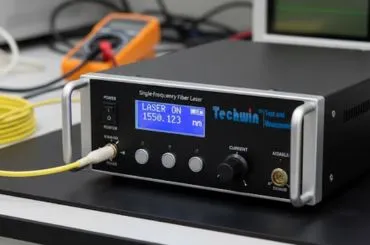
The Single Frequency Fiber
Laser- Techwin product line is engineered for precision sensing
requirements and manufactured with strict optical performance standards.
Production and development operations are based in Hangzhou City, ensuring
quality control throughout the manufacturing process.
This location supports research, testing, and system
validation for laser products used in scientific and industrial measurement
systems.
Fiber lasers have become a foundational component in modern
magnetometer systems due to their optical stability, narrow linewidth, and
resistance to environmental disturbances. A carefully selected laser source
for magnetometeruse directly affects sensitivity, accuracy, and long-term
performance.
By integrating a frequency-stabilized laser designed
specifically for sensing applications, magnetometer manufacturers and
researchers can achieve consistent and dependable magnetic field measurements
across a wide range of use cases.
The Single Frequency Fiber Laser- Techwin solution reflects
the growing demand for precision optical sources in advanced measurement
technologies.
Latest from the blog
Explore our recent articles and insights.